
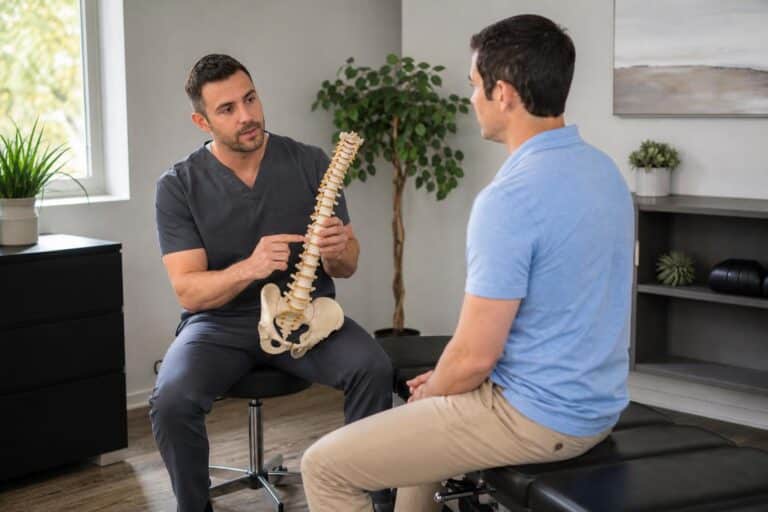
Finding the right associate DC for your North Carolina practice can feel like searching for a needle in a haystack. With roughly five open positions for every available associate chiropractor in the current market, the odds aren’t stacked in your favor. But a clear process, the right compensation package, and knowledge of North Carolina’s specific requirements can put you ahead of competing practices. Here’s what you need to know to hire an associate chiropractor in North Carolina and get it right the first time.
Hiring an Associate DC in North Carolina: Key Facts
Associate chiropractor salaries in North Carolina typically range from $90,000 to $105,000 annually. All candidates must hold an active license through the North Carolina State Board of Chiropractic Examiners. Non-compete agreements are enforceable in the state if they’re reasonable in time, geography, and scope, though you should confirm specifics with a North Carolina attorney. Expect the full hiring process to take 60 to 120 days from posting to start date.
The Associate Hiring Landscape in North Carolina
If you own a chiropractic practice in North Carolina, you already know the talent pool is tight. The state’s growing population, particularly in the Charlotte, Raleigh-Durham, and Triad metro areas, has driven demand for chiropractic care well beyond the supply of available associates. Rural and suburban practices face an even steeper challenge. Many new graduates gravitate toward larger cities or states with higher starting salaries, leaving smaller markets underserved.
The candidate shortage isn’t unique to North Carolina, but it hits hard here. With no in-state chiropractic college, you’re competing for graduates from programs in neighboring states. Most of those graduates have multiple offers before they even walk across the stage. That means your job posting, compensation package, and practice culture all need to stand out from day one.
A realistic timeline? Plan for two to four months from the moment you start recruiting to the day your new associate sees their first patient. If you’re still using an outdated contract or below-market comp plan, expect that timeline to stretch considerably. The practices that hire fastest are the ones that prepare thoroughly before they ever post a listing.
What Does an Associate Chiropractor Cost in North Carolina?
Base salaries for associate DCs in North Carolina currently fall between $90,000 and $105,000 per year. That range aligns closely with the national average, though practices in high-demand metros like Charlotte or Raleigh may need to push toward the upper end to stay competitive. Rural practices sometimes offset lower base pay with housing stipends or student loan assistance.
Beyond the base, most practices use one of two compensation models. A straight salary provides predictability for both you and your associate. A production-based model, often structured as a percentage of collections (typically 25% to 35%), ties pay to performance. Many owners blend these approaches: a base salary with a production bonus once collections exceed a set threshold. This hybrid model protects the associate during their ramp-up period while rewarding them as patient volume grows.
Don’t overlook the full cost of the package. Health insurance, CE allowances, malpractice coverage, paid time off, and signing bonuses all factor into your total investment. A signing bonus of $5,000 to $15,000 is increasingly common for competitive markets. A great associate should deliver roughly a 3x return on their total compensation, so think of this as an investment in your practice’s growth rather than just an expense line.
Pay structure matters as much as the number on the check. An associate who feels the comp plan is fair and transparent will stick around longer. One who feels shortchanged will start looking within a year.
Licensing Requirements for Associate DCs in North Carolina
Every chiropractor practicing in North Carolina must hold an active license issued by the North Carolina State Board of Chiropractic Examiners. There are no shortcuts here, and the process takes time, so factor licensing into your hiring timeline.
To qualify, your candidate must have graduated from a Council on Chiropractic Education (CCE) accredited program. They’ll need to have passed all parts of the National Board of Chiropractic Examiners (NBCE) exams, including Parts I through IV and the Physiotherapy exam. North Carolina also requires passing the state’s own jurisprudence examination, which covers the North Carolina Chiropractic Practice Act and the board’s rules.
For out-of-state DCs, North Carolina does allow licensure by endorsement, but it’s not automatic reciprocity. The candidate must meet all of the state’s requirements, submit a completed application, provide verification of licensure from every state where they’ve held a license, and pass the jurisprudence exam. Background checks are part of the process as well. The board reviews each application individually, and processing times can vary from several weeks to a couple of months.
If you’re hiring a new graduate, keep in mind they may still be waiting on NBCE results or completing their application. Build this into your start date expectations. Some practice owners extend an offer contingent on licensure, which lets you lock in a candidate while the paperwork processes.
The authoritative source for all licensing requirements is the North Carolina State Board of Chiropractic Examiners at https://www.ncchiroboard.com/. Rules and fees can change, so always verify current requirements directly with the board before making assumptions about your candidate’s eligibility.
Employment Law & Non-Competes for Chiropractors in North Carolina
North Carolina enforces non-compete agreements, but they must be reasonable. Courts evaluate three factors: time restriction, geographic scope, and the breadth of restricted activity. A non-compete that prevents an associate from practicing within a 10-mile radius for one year after departure will likely hold up. One that bans them from practicing anywhere in the state for five years almost certainly won’t.
There’s no special carve-out for chiropractors in North Carolina. Your associate is subject to the same general non-compete standards that apply to other professionals. That said, courts in the state have shown a willingness to blue-pencil (modify) overly broad agreements rather than throw them out entirely. This means a well-drafted non-compete with slightly aggressive terms might get trimmed by a judge rather than voided.
Employee versus independent contractor classification is another critical issue. The IRS and North Carolina Department of Revenue both look at how much control you exercise over the associate’s work. If you set their schedule, require them to use your protocols, and provide their equipment, they’re almost certainly an employee, not a contractor. Misclassification can trigger back taxes, penalties, and legal exposure.
Your associate agreement should cover compensation structure, schedule expectations, termination provisions, non-compete and non-solicitation clauses, malpractice insurance responsibilities, and ownership of patient records. A vague or incomplete contract is one of the most common reasons associate relationships fall apart.
This is general information, not legal advice. Work with a North Carolina attorney who understands healthcare employment law to draft or review your associate agreement before extending an offer.
Where to Find Associate Chiropractor Candidates in North Carolina
North Carolina doesn’t have its own chiropractic college, so your candidate pipeline starts out of state. The two closest programs are Sherman College of Chiropractic in Spartanburg, South Carolina, and Life University in Marietta, Georgia. Both produce graduates who frequently relocate to North Carolina, especially to the western and central parts of the state. Building relationships with these schools through career fairs, externship programs, or campus visits can give you early access to top students before they graduate.
The North Carolina Chiropractic Association is another valuable channel. Their job board and networking events connect practice owners with DCs who are already licensed and practicing in the state. An associate looking to switch practices often starts their search through state association resources.
Online job boards like Indeed, ChiroHealthUSA’s career page, and chiropractic-specific platforms can generate applications, but volume doesn’t equal quality. You’ll likely receive a mix of serious candidates and unqualified inquiries, and sorting through them takes real time. Many practice owners post a listing, get discouraged by the response quality, and let the search stall for weeks.
Referral networks are underrated. Ask your colleagues, your state association contacts, and your chiropractic school connections if they know any associates looking for a new opportunity. Some of the best hires come from warm introductions rather than cold applications.
The honest reality is that DIY recruiting is time-consuming and unpredictable. You’re running a practice, seeing patients, and managing a team. Spending hours screening resumes and chasing candidates pulls you away from what you do best. That’s exactly why specialized chiropractic recruiters exist: to handle the sourcing, vetting, and initial interviews so you can focus on your patients and your practice.
How to Hire an Associate Chiropractor in North Carolina, Step by Step
Start by defining exactly what you need. Are you hiring a caregiver to handle overflow from a packed schedule, or a business builder who’ll help grow your patient base? Your answer shapes everything from the job description to the compensation model. Write down the clinical skills, technique preferences, schedule expectations, and cultural traits your ideal associate would have.
Next, build your compensation package. Use the $90,000 to $105,000 base range as your starting point, then decide on production bonuses, benefits, and any signing incentives. Put the full package in writing before you start recruiting. Candidates in 2026 expect transparency, and vague promises about “earning potential” won’t cut it.
Write a compelling job listing that speaks to your ideal candidate. Highlight what makes your practice unique: your technique, your patient volume, your team culture, your location. Post it across multiple channels, including job boards, state association sites, and chiropractic school career services.
Screen applicants with a phone or video call before investing time in a full interview. Ask about their technique experience, career goals, and what they’re looking for in a practice. This 15-minute call saves hours of wasted in-person interviews.
Bring your top two or three candidates in for a working interview or practice visit. Let them meet your team, observe your workflow, and see the community. You’re evaluating clinical competence, but you’re also assessing personality fit and communication style.
Extend your offer in writing, including all compensation details, start date, and contingencies like licensure verification and background checks. Once the candidate accepts, have your attorney finalize the associate agreement. Then build a structured onboarding plan that covers your EHR system, office protocols, patient communication standards, and team introductions. A strong first 90 days sets the tone for the entire relationship.
Hiring an Associate Chiropractor in North Carolina: FAQ
How much does an associate chiropractor cost in North Carolina? Base salaries typically range from $90,000 to $105,000 per year. Total compensation, including benefits, malpractice coverage, CE allowances, and potential signing bonuses, can push the annual investment to $110,000 to $130,000. Production bonuses on top of base salary are common and can increase total pay significantly for high performers.
How long does it take to hire an associate in North Carolina? Plan for 60 to 120 days from the start of your search to your associate’s first day. Licensing timelines for out-of-state candidates can add several weeks. Practices with a clear comp plan and compelling job listing tend to hire faster than those figuring it out on the fly.
Are non-competes enforceable for chiropractors in North Carolina? Yes, non-competes are enforceable if they’re reasonable in time, geography, and scope. Courts apply the same general standard used for other professionals. A typical enforceable non-compete might restrict practice within a 10-to-15-mile radius for 12 to 24 months. Confirm your specific language with a North Carolina attorney.
Do I need to offer a base salary, or can I pay production only? You can legally structure compensation as production-only, but you’ll struggle to attract quality candidates with that model. Most associates expect a base salary, especially during their first year when they’re building a patient load. A hybrid model with a base plus production bonus is the most competitive approach in 2026.
Can I hire a chiropractor licensed in another state? Yes, but they must obtain a North Carolina license before practicing. The state offers licensure by endorsement for DCs licensed elsewhere, but the candidate must meet all North Carolina requirements, including the jurisprudence exam. Processing times vary, so start the application early.
What’s the biggest mistake practice owners make when hiring an associate? Waiting too long to start and then rushing the process. Many chiropractors delay hiring until they’re overwhelmed, then grab the first available candidate without proper vetting. That’s a recipe for a short-lived, costly mismatch. Start the process before you’re desperate, and invest time in screening for both clinical skill and cultural fit.
Hire Your Next Associate in North Carolina With Chiro Match Makers
Recruiting an associate DC on your own eats up time you don’t have. Between sourcing candidates, screening resumes, running interviews, and handling contracts, the process can consume weeks of your attention. Chiro Match Makers handles all of that for you. Their team specializes in chiropractic placements, matching practice owners with qualified associates who fit your technique, culture, and growth goals. As one practice owner, Sabrina Gya, put it: “My current VA is probably the best team member I have had in the last 25yrs of being a business owner.”
If you’re also looking to free up your front desk team’s time while you search for your next associate, consider adding a Virtual Chiropractic Assistant to your practice. Chiro Match Makers offers high-caliber Virtual CAs starting at just $9.87 per hour. Get started here and see how the right support staff can keep your practice running smoothly during the hiring process and beyond.
Sources
Salary data referenced in this article is informed by the U.S. Bureau of Labor Statistics Occupational Outlook Handbook for chiropractors, which provides national and state-level wage estimates updated annually. Licensing requirements and application procedures are governed by the North Carolina State Board of Chiropractic Examiners (https://www.ncchiroboard.com/), the definitive authority on chiropractic licensure in the state. The North Carolina Chiropractic Association (https://www.ncchiro.org/) serves as a professional resource for networking, continuing education, and job placement within the state. Practice owners should verify all regulatory and legal details with the appropriate board or a qualified North Carolina attorney, as rules and fee schedules are subject to change.